Research Publications People About

Harvard University · Boston Children's Hospital · Stem Cell Program

An RNA-centric view
of the cell surface

Exploring RNA glycosylation, cell surface RBPs, and the broader scope of cell surface RNA biology.

What we study

The Flynn Lab investigates fundamental questions at the intersection of RNA biology and glycobiology.

01

RNA Glycosylation

A major current avenue of research has focused on exploring the hypothesis that RNAs can localize to the luminal spaces of organelles, such as the ER or Golgi. Taking a chemical biology approach, and leveraging the fact that proteins trafficked through these luminal spaces are glycosylated, I searched for evidence of RNA glycosylation. This effort resulted in the surprising identification of sialylated glycans conjugated to RNAs in mammalian cells. These glycoRNA conjugates are present in all cell types and tissues tested across human, mouse, and hamster, and show differential accumulation in primary compared to cancer cell lines.

Sequencing revealed a distinct set of small RNAs including Y-RNAs, snRNAs, tRNAs, and snoRNAs as modified putatively at guanosine. Chemical, genetic, and enzymatic approaches defined the glycan as an N-linked structure produced by the oligosaccharyltransferase (OST) complex in the ER lumen. To enable more facile examination of glycoRNA biology we developed a sensitive and scalable protocol — leveraging periodate oxidation and aldehyde ligation (rPAL) and SWATH-MS — identifying the modified RNA base acp3U as a site of N-glycan attachment.

Collectively, these findings suggest the existence of a previously unknown interface of RNA biology and glycobiology, and an expanded role for glycosylation beyond canonical lipid and protein scaffolds.

RNA Glycosylation
02

Cell Surface RNA Binding Proteins

Traditionally, glycosylated transmembrane proteins were thought to be the major constituents of the external surface of the plasma membrane. We have begun to challenge this view, providing evidence that a group of RNA binding proteins (RBPs) are present on the surface of living cells. These cell surface RBPs (csRBPs) are detectable across a variety of mammalian cells and can be isolated by numerous chemical strategies to selectively label the cell surface. csRBPs are themselves enriched for glycosylation, suggesting a mechanistic path for their cell surface presentation.

The csRBPs are organized into well-defined nanoclusters enriched for multiple RBPs, glycoRNAs, and can be disrupted by extracellular RNase addition. These glycoRNA–csRBP clusters serve as sites of interaction for the cell penetrating peptide TAT. By leveraging a genome-wide knockout screen, we discovered that heparan sulfate proteoglycans (HSPGs) are a major organizing force for these clusters.

We have established that (1) signal transduction by HS-dependent growth factors, such as VEGF-A165, is regulated by cell surface RNAs, (2) VEGF-A165 selectively interacts with glycoRNAs in vitro, and (3) key amino acids in VEGF-A165 control glycoRNA binding in vivo. Our findings uncover a new molecular mechanism controlling signal transduction of specific growth factors via the regulated assembly of glycoRNAs, csRBPs, and heparan sulfate clusters.

Cell surface RNA binding proteins

Publications

Flynn RA denoted in bold; * co-first author; # co-corresponding.

75
GlycoRNA complexed with heparan sulfate regulates VEGF-A signalling
Chai P, Kheiri S, Kuo A, Shah J, Kageler L, Ge R, Perr J, Porat J, Lebedenko CG, Dias JML, Yankova E, Rai SK, Watkins CP, Hristov P, Tzelepis K, Hla T, Raman R, Calo E, Esko JD, Flynn RA
Nature2026Featured↗ Link
74
DNASE1L3 surveils mitochondrial DNA on the surface of distinct mammalian cells
Porat J, Poli V, Almahayni K, George BM, et al., Simpfendorfer KR, Flynn RA
bioRxiv2025↗ Link
73
Catch and release of sialoglycoRNAs enables sequencing-based profiling across cellular and extracellular material
Ge R, Jeppesen DK, Rai SK, Zhang Q, Higginbotham JN, Coffey RJ, Flynn RA
bioRxiv2025↗ Link
72
A nanoscale map of the human cell surface proteome reveals spatial and functional organization
Floyd B, Schmidt E, Till NA, Yang J, Liao P, George BM, Flynn RA, Bertozzi CR
bioRxiv2025↗ PubMed
71
Development and application of GlycanDIA workflow for glycomic analysis
Xie Y, Liu X, Zhao C, et al., Flynn RA#, Lebrilla CB#, Garcia BA#
Nature Communications2025↗ PubMed
70
RNA N-glycosylation enables immune evasion and homeostatic efferocytosis
Graziano VR, Porat J, Ah Kioon MD, et al., Flynn RA#, Rathinam VA#
Nature2025Featured↗ PubMed
69
irCLIP-RNP and Re-CLIP reveal patterns of dynamic protein associations on RNA
Ducoli L*, Zarnegar BJ*, Porter DF, et al., Flynn RA#, Khavari PA#
Nature2025↗ PubMed
68
Treatment of acute myeloid leukemia models by targeting a cell surface RNA-binding protein
George BM*, Eleftheriou M*, Yankova E, et al., Flynn RA#, Tzelepis K#
Nature Biotechnology2025↗ PubMed
67
RNA binding proteins and glycoRNAs form domains on the cell surface for cell penetrating peptide entry
Perr J, Langen A, Almahayni K, et al., Flynn RA#
Cell2025↗ PubMed
66
The modified RNA base acp3U is an attachment site for N-glycans in glycoRNA
Xie Y*, Chai P*, Till NA, et al., Garcia BA#, Flynn RA#
Cell2024Featured↗ PubMed
65
Tools to investigate the cell surface: Proximity as a central concept in glycoRNA biology
Kageler L, Perr J, Flynn RA#
Cell Chemical Biology2024Review↗ PubMed
64
hnRNPM protects against the dsRNA-mediated interferon response by repressing LINE-associated cryptic splicing
Zheng R, Dunlap M, Bobkov GOM, et al., Flynn RA, Chang HY, Xiao X, Cheng C
Molecular Cell2024↗ PubMed
63
Imaging glycosylated RNAs at the subcellular scale
Hristov P, Flynn RA#
Nature Biotechnology2023Review↗ PubMed
62
Galectin-3 does not interact with RNA directly
Peltan EL, Riley NM, Flynn RA, Roberts DS, Bertozzi CR
Glycobiology2023↗ PubMed
61
Nucleolus activity-dependent recruitment and biomolecular condensation by pH sensing
Aryan F, Detrés D, Luo CC, et al., Flynn RA, Calo E
Molecular Cell2023↗ PubMed
60
RNA Crossing Membranes: Systems and Mechanisms Contextualizing Extracellular RNA and Cell Surface GlycoRNAs
Chai P, Lebedenko CG, Flynn RA#
Annual Review of Genomics and Human Genetics2023Review↗ PubMed
59
Co-transcriptional genome surveillance by HUSH is coupled to termination machinery
Spencley AL, Bar S, Swigut T, Flynn RA, et al., Wysocka J
Molecular Cell2023↗ PubMed
58
Glucose dissociates DDX21 dimers to regulate mRNA splicing and tissue differentiation
Miao W, Porter DF, Lopez-Pajares V, et al., Flynn RA, et al., Khavari PA
Cell2023↗ PubMed
57
Nuclear accumulation of host transcripts during Zika Virus Infection
Leon KE, Khalid MM, Flynn RA, et al., Ott M
PLoS Pathogens2023↗ PubMed
56
A (cross)link in the chains
Watkins CP, Flynn RA#
Nature Chemistry2023Review↗ PubMed
55
The human disease gene LYSET is essential for lysosomal enzyme transport and viral infection
Richards CM, Jabs S, Qiao W, et al., Flynn RA, et al., Carette JE
Science2022↗ PubMed
54
An atlas of posttranslational modifications on RNA binding proteins
England WE, Wang J, Chen S, Baldi P, Flynn RA#, Spitale RC#
Nucleic Acids Research2022↗ PubMed
53
The CD22-IGF2R interaction is a therapeutic target for microglial lysosome dysfunction in Niemann-Pick type C
Pluvinage JV, Sun J, Claes C, Flynn RA, et al., Wyss-Coray T
Science Translational Medicine2021↗ PubMed
52
Diverse functional elements in RNA predicted transcriptome-wide by orthogonal RNA structure probing
Chan D, Feng C, England WE, Wyman D, Flynn RA, et al., Spitale RC
Nucleic Acids Research2021↗ PubMed
51
fSHAPE, fSHAPE-eCLIP, and SHAPE-eCLIP probe transcript regions that interact with specific proteins
Corley M, Flynn RA, Blue SM, Yee BA, Chang HY, Yeo GW
STAR Protocols2021↗ PubMed
50
Small RNAs are modified with N-glycans and displayed on the surface of living cells
Flynn RA*#, Pedram K, Malaker SA, Batista PJ, Smith BAH, Johnson AG, George BM, Majzoub K, Villalta PW, Carette JE, Bertozzi CR#
Cell2021Landmark↗ PubMed
49
Discovery and functional interrogation of SARS-CoV-2 RNA-host protein interactions
Flynn RA#*, Belk JA*, Qi Y, et al., Satpathy AT#
Cell2021↗ PubMed

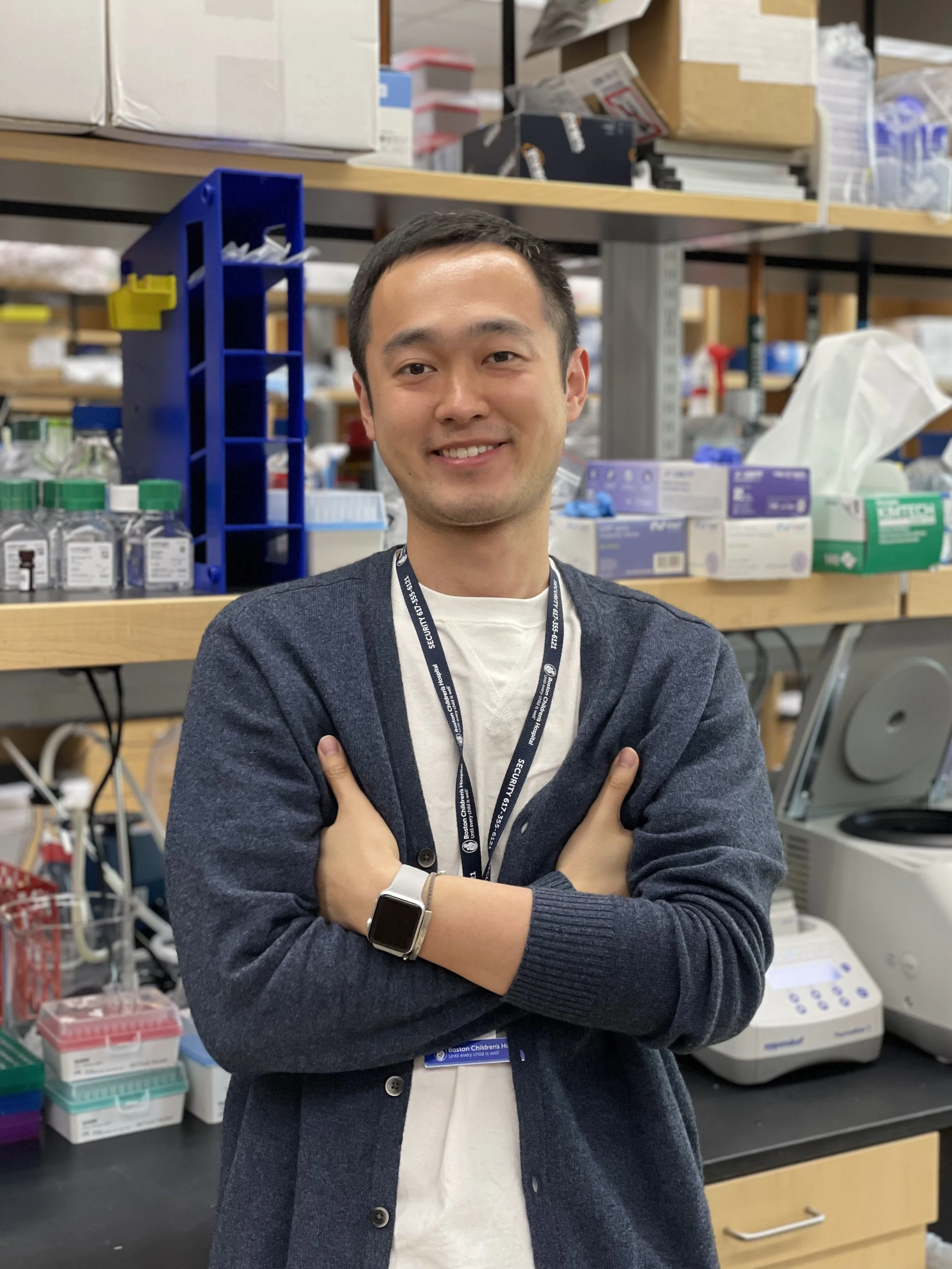
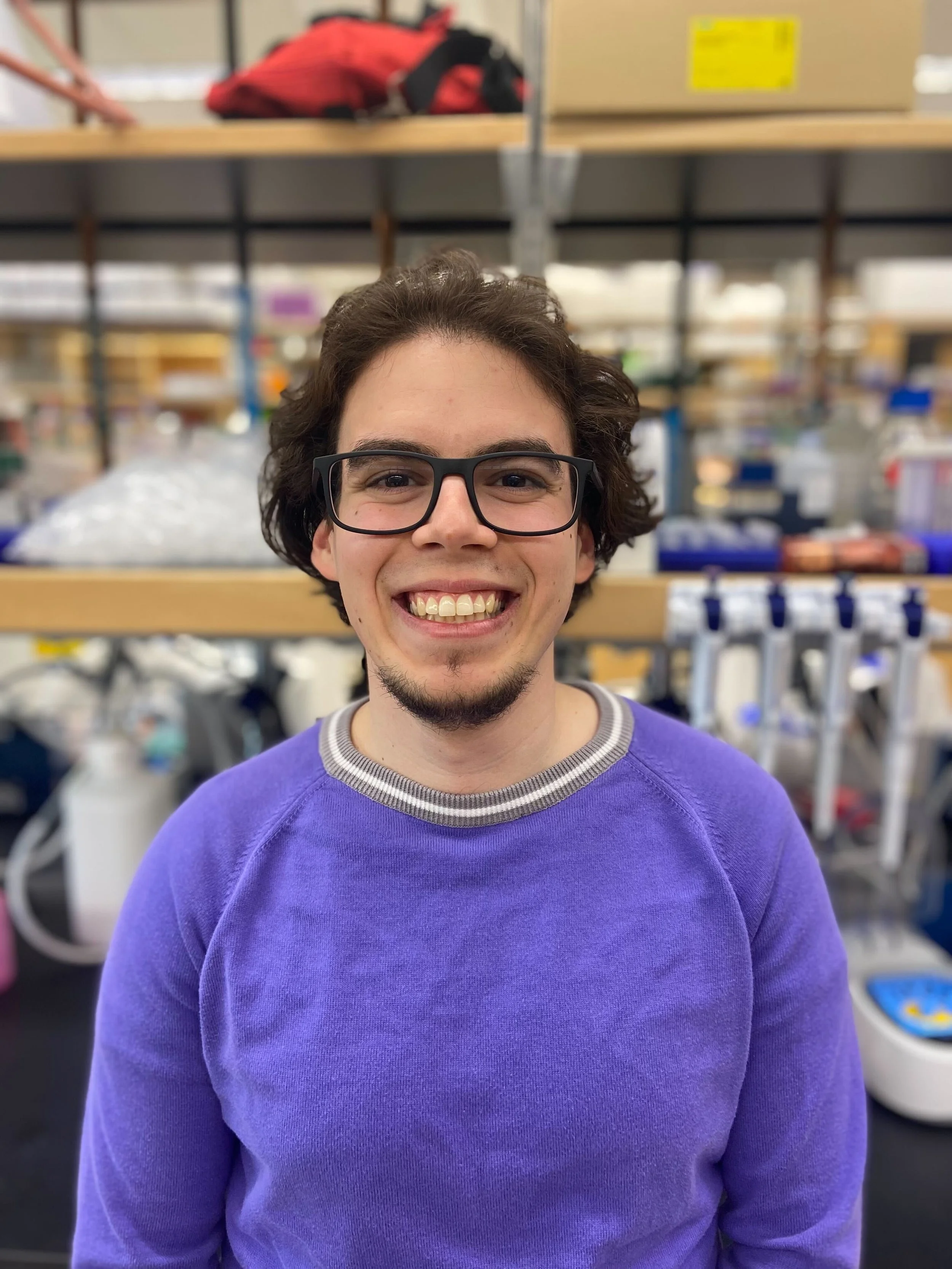
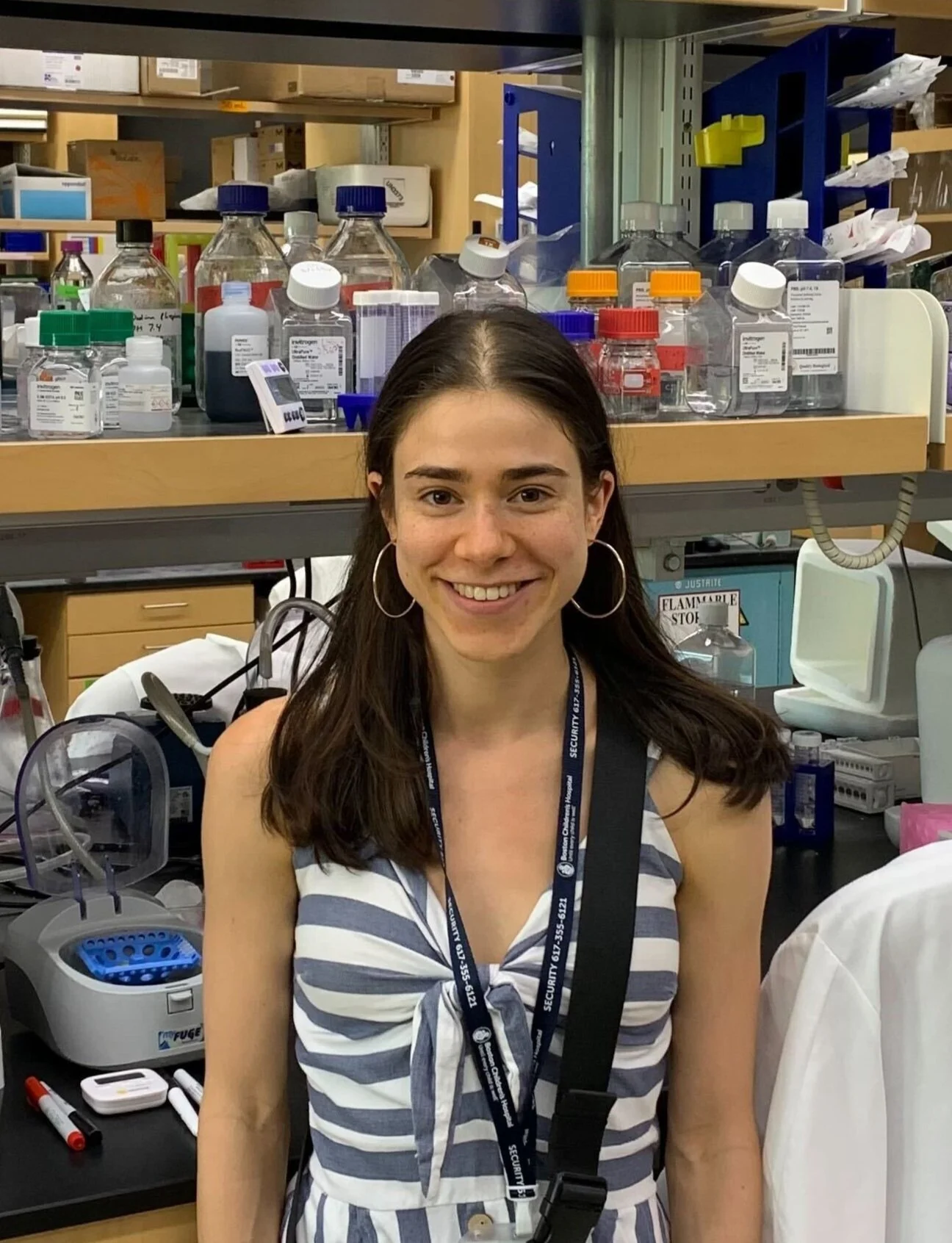
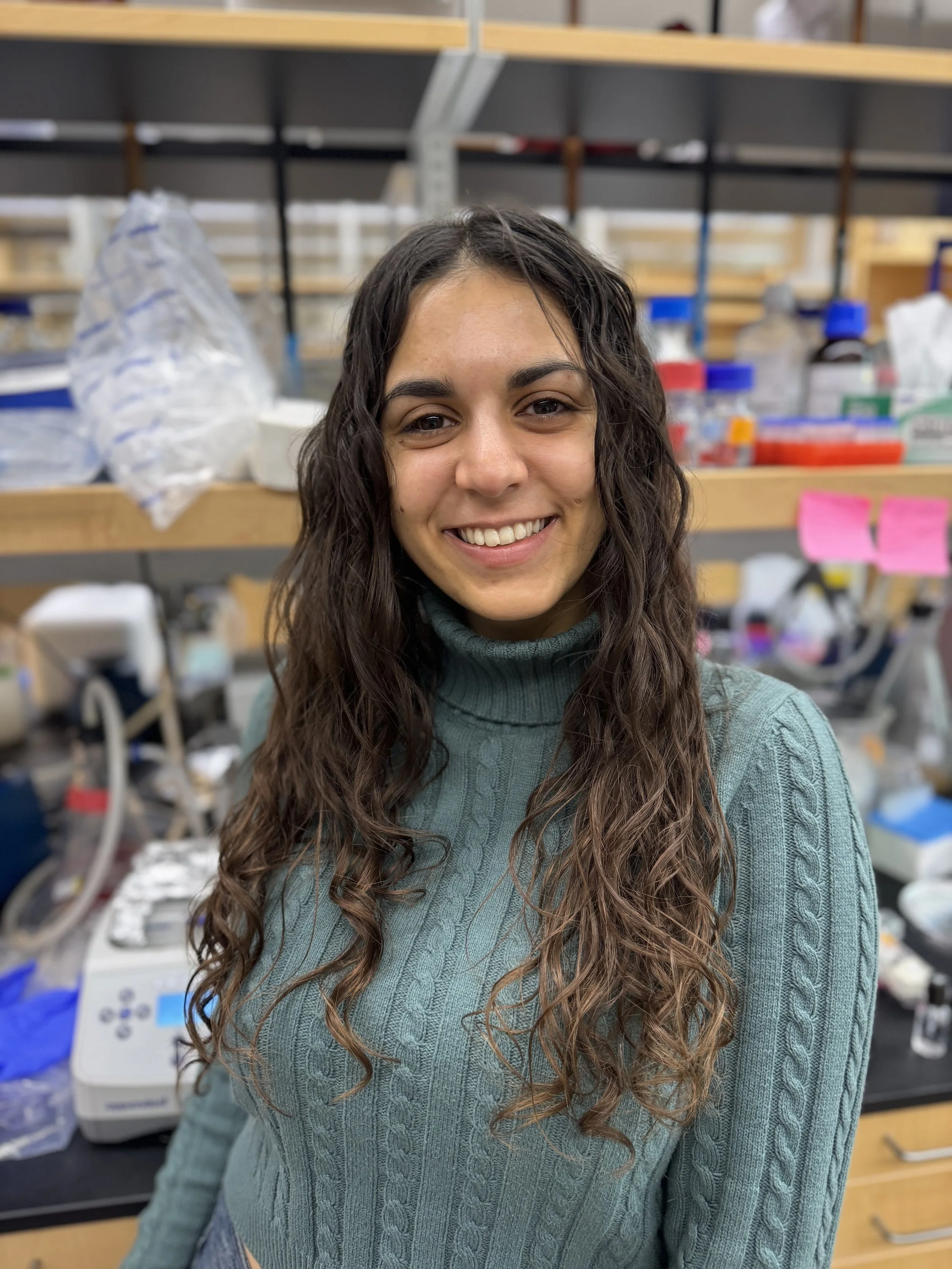
Our Team

A collaborative group of scientists united by curiosity about RNA biology. Interested in joining?

Ryan Flynn
Ryan A. Flynn, M.D., Ph.D.
Principal Investigator
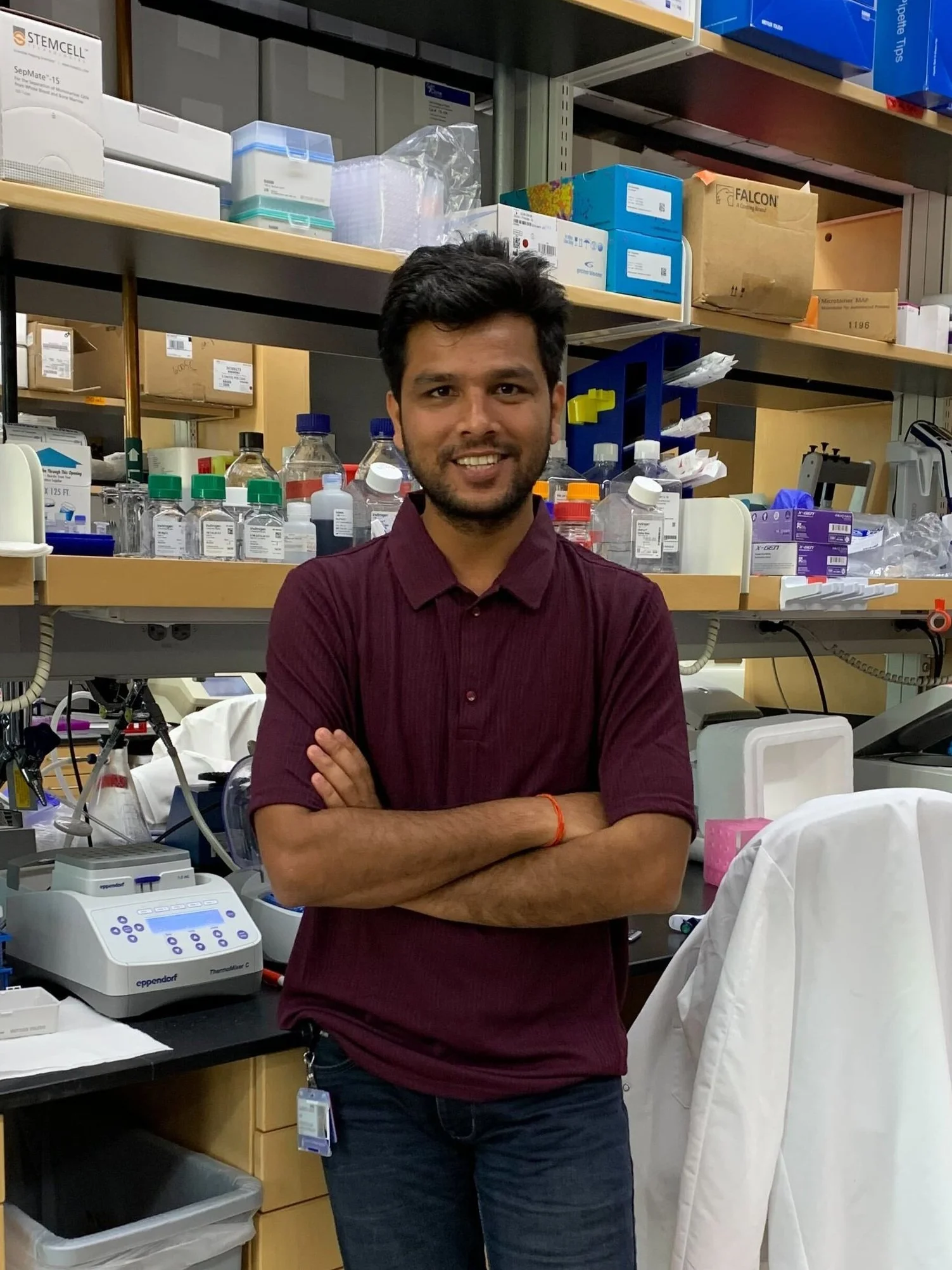
Benson George
Benson George, M.D., Ph.D.
Postdoctoral Fellow
Heme/Onc Fellow
Peiyuan Chai
Peiyuan Chai, Ph.D.
Postdoctoral Fellow
Petar Hristov
Petar Hristov
Ph.D. Candidate
Chemistry & Chemical Biology
Dina Chehada
Dina Chehada
Ph.D. Candidate
Chemical Biology Program
NSF GRFP
Ruiqi Ge
Ruiqi Ge, Ph.D.
Postdoctoral Fellow
Etai Koronyo
Etai Koronyo
Ph.D. Candidate
Biological & Biomedical Sciences
Jonathan Perr
Jonathan Perr, Ph.D.
Postdoctoral Fellow
Lauren Kageler
Lauren Kageler
Ph.D. Candidate
Chemical Biology Program
Jennifer Porat
Jennifer Porat, Ph.D.
Postdoctoral Fellow
CIHR Fellow
Sandeep Rai
Sandeep Rai, Ph.D.
Postdoctoral Fellow
Maggie Zhang
Maggie Zhang
Ph.D. Candidate
Chemical Biology Program
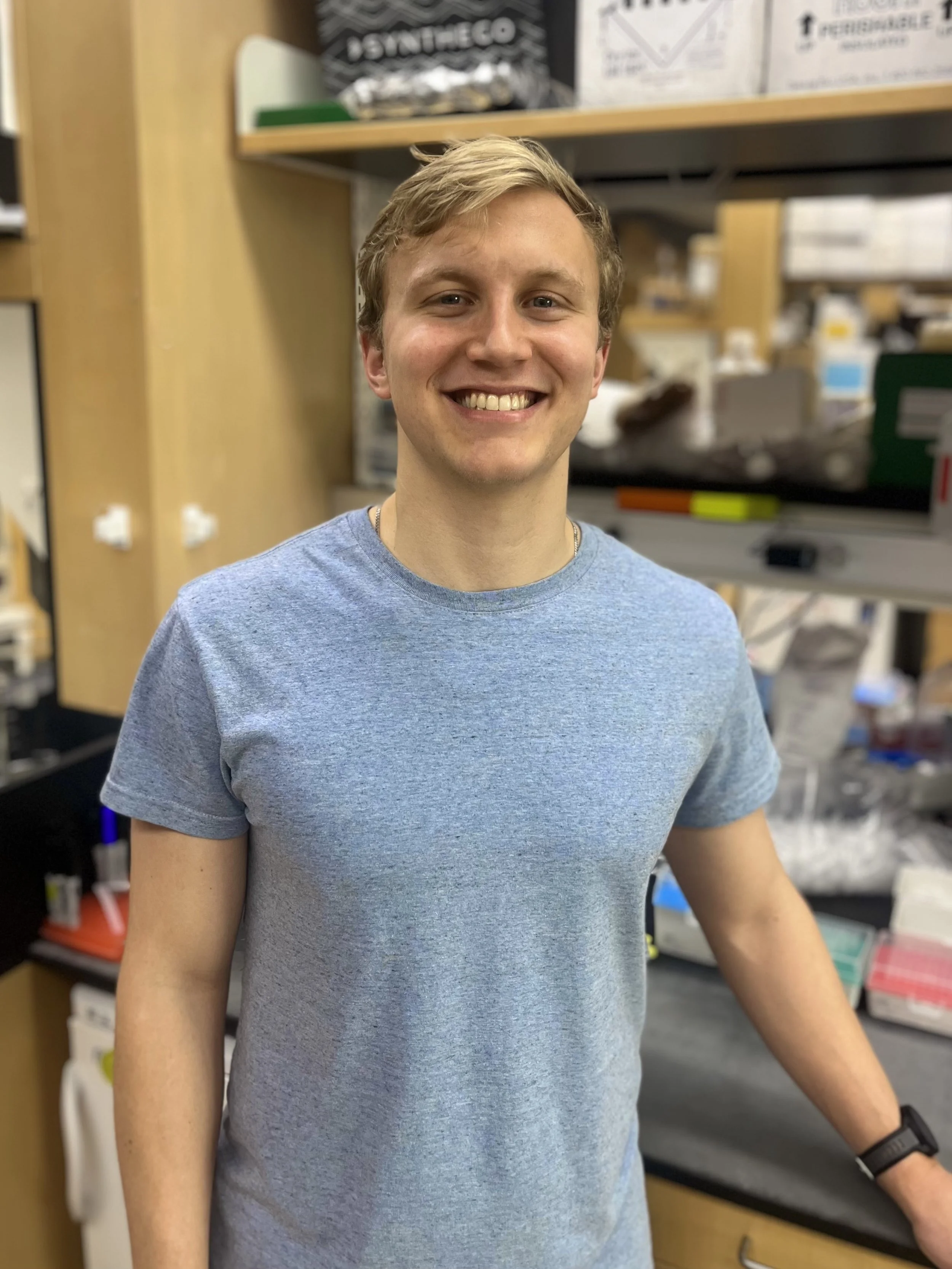
Tanner Baldwin
Tanner Baldwin
Ph.D. Candidate
Chemical Biology Program
You?
Now Recruiting
Motivated scientists at all career stages welcome

Lab Alumni

Name Role in Flynn Lab Current Affiliation
Leon Zheng, M.D., Ph.D.PostdocAssistant Professor, UMass Chan Medical School
Namita Bisara, Ph.D.PostdocCOO & Co-founder, GanNA Bio
Fang Zhou, Ph.D.PostdocResearch Fellow, MGH
Christopher WatkinsPostdocStealth Co.
Reese CaldwellUndergradGraduate Student, Harvard BBS
Behruz MahmudovUndergrad
Charlotta LebedenkoRes. AssociateGraduate Student (MSTP), Yale School of Medicine
Helena HembergerRes. AssociateGraduate Student, Boston University
Ece BapcumRes. AssociateRemix Therapeutics
Pranita DeshpandeRes. AssociateMasters Student, Northeastern
Ashrita IyengarSummerUndergraduate, Williams College
"The scientist does not study nature because it is useful; they study it because they delight in it, and they delight in it because it is beautiful. If nature were not beautiful, it would not be worth knowing, and if nature were not worth knowing, life would not be worth living."
— Henri Poincaré

Principal Investigator

Ryan A. Flynn

Ryan A. Flynn

Associate Professor · Stem Cell Program · Boston Children's Hospital / Harvard University
[email protected]

I am an Associate Professor at Boston Children's Hospital in the Stem Cell Program and in the Stem Cell and Regenerative Biology Department at Harvard University. I completed my M.D. and Ph.D. in Cancer Biology in the MSTP at Stanford University, and received my B.S. in Biology from MIT. Outside the lab, I enjoy learning about and investing in new transformative technologies in the space, manufacturing, energy, and biotechnology sectors.

Lab Address

Flynn Lab · 1 Blackfan Circle, Karp 6th Floor
Boston, MA 02115
Boston Children's Hospital · Harvard University

Join the Lab

We welcome motivated scientists at all career stages — graduate students, postdoctoral fellows, and research associates. Please send a brief statement of your research interests along with your CV directly to the PI.

Funding & Acknowledgements

Our work is generously supported by Boston Children's Hospital, Harvard University, and external funding agencies including NIH, NSF, and private foundations. We gratefully acknowledge support from all funders. Background imagery courtesy of NASA / Transiting Exoplanet Survey Satellite (TESS) mission.